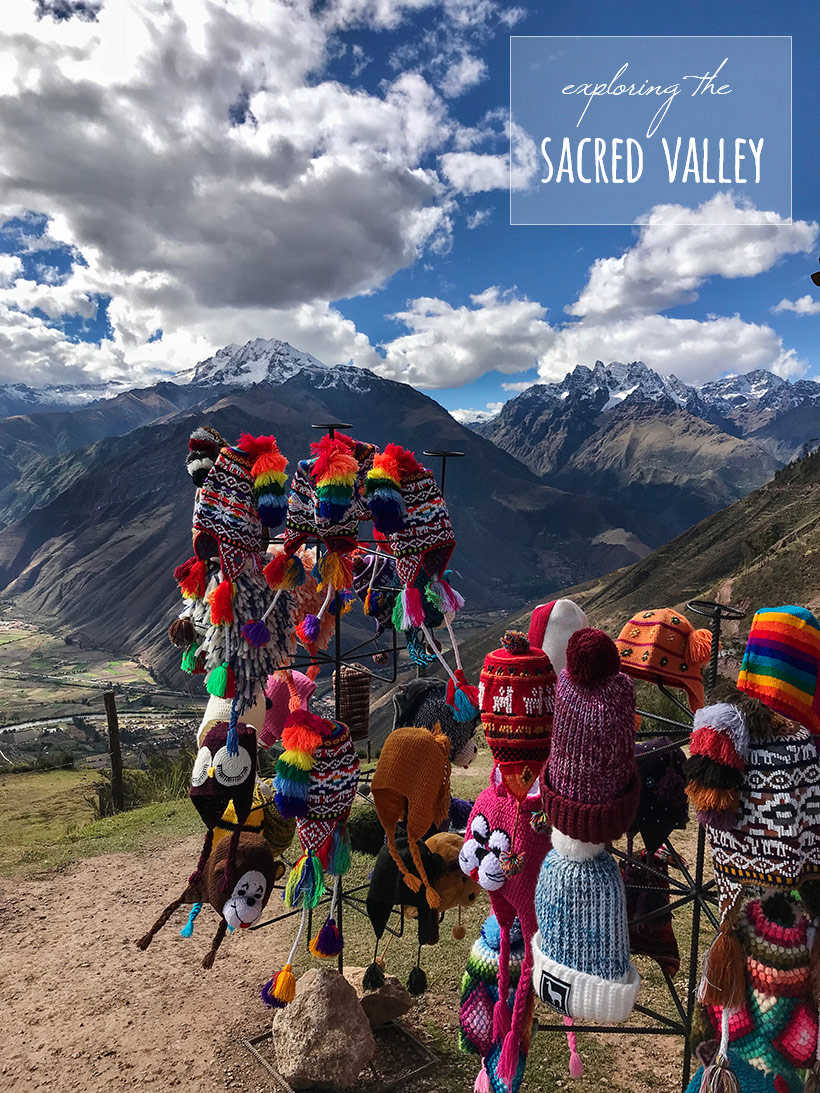
The Sacred Valley of the Incas will charm you with its idyllic views, rich culture, and some of the best preserved Inca ruins in Peru.
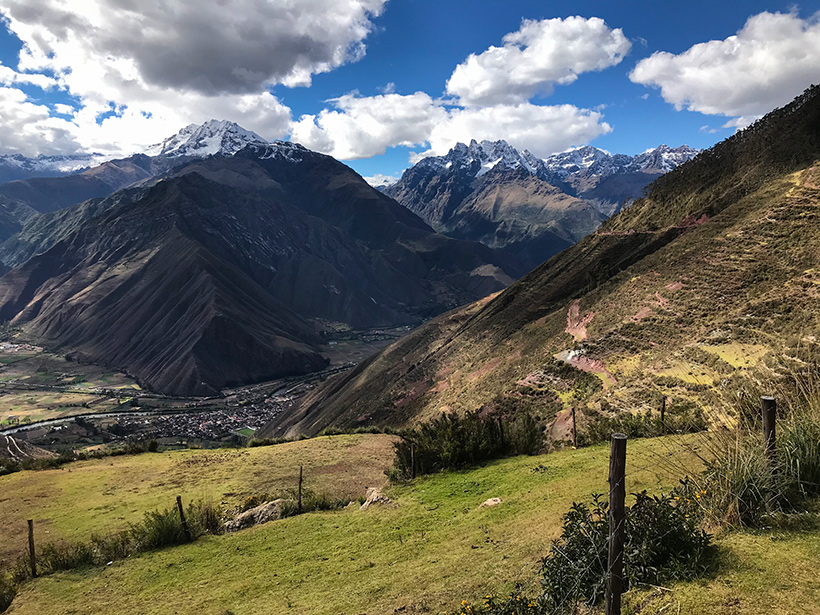
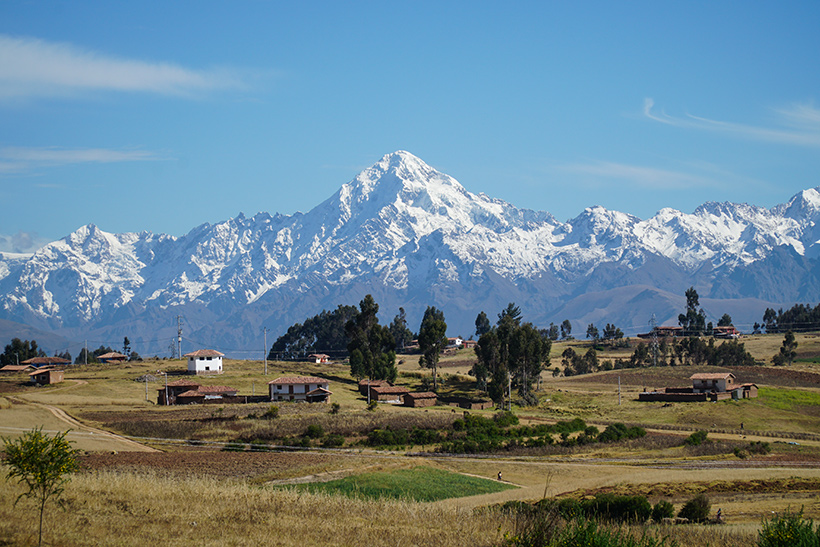
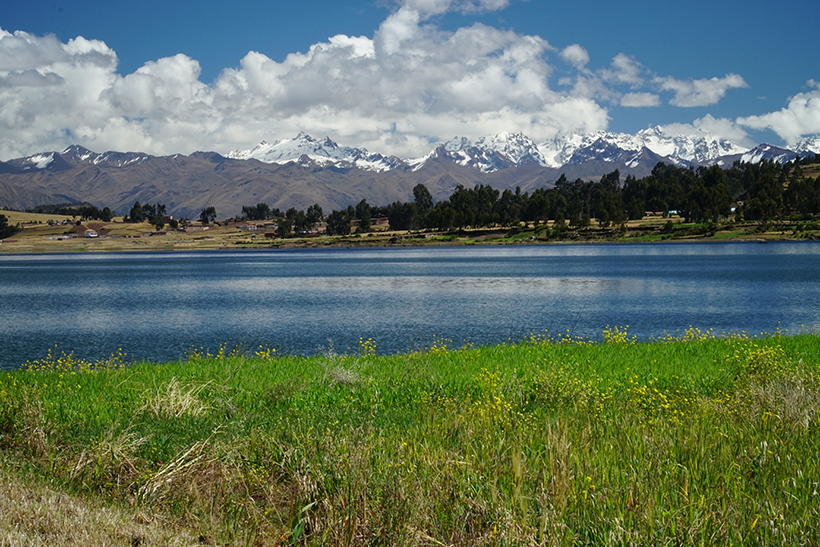
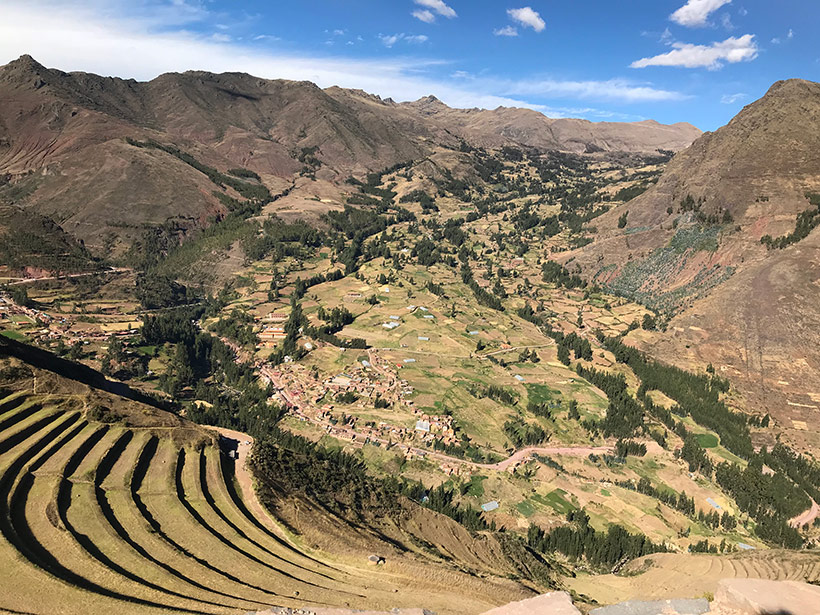
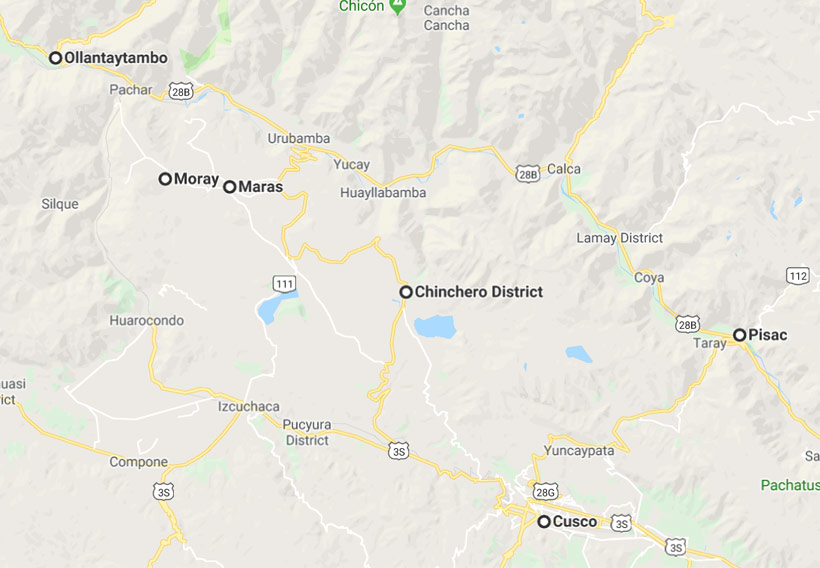
The Sacred Valley of the Incas, or Valle Sagrado, is a fertile lowland along the Urubamba river, tucked in between high Andean peaks. It starts from Cusco, and stretches all the way north to Machu Picchu. The valley is home to some of the best examples of Inca ruins, and picturesque villages set against a dramatic backdrop of snow-capped mountains.
It’s a tourist destination in its own right, and we spent two full days there, marveling at the pastoral views, and fully immersing ourselves in the rich culture and history of Peru. Some of the local communities that live there still speak Quechua dialects (the language of the Incas), they grow potatoes and corn, just as their ancestors did, and the women religiously preserve the age-old traditions of hand-weaving.
We visited Valle Sagrado twice. The first time, as part of Intrepid organized tour, and the second time we rented a taxi for the day, and drove to all the places we had missed.
Chinchero
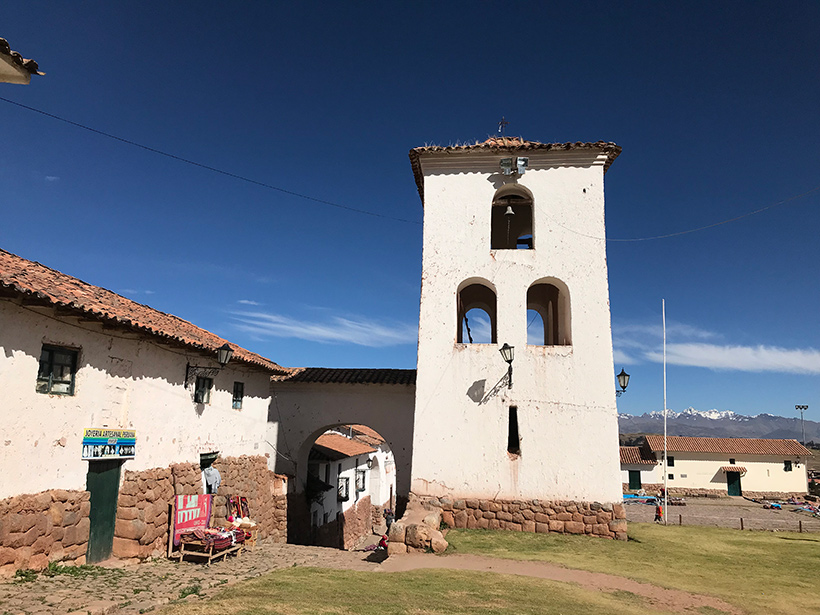
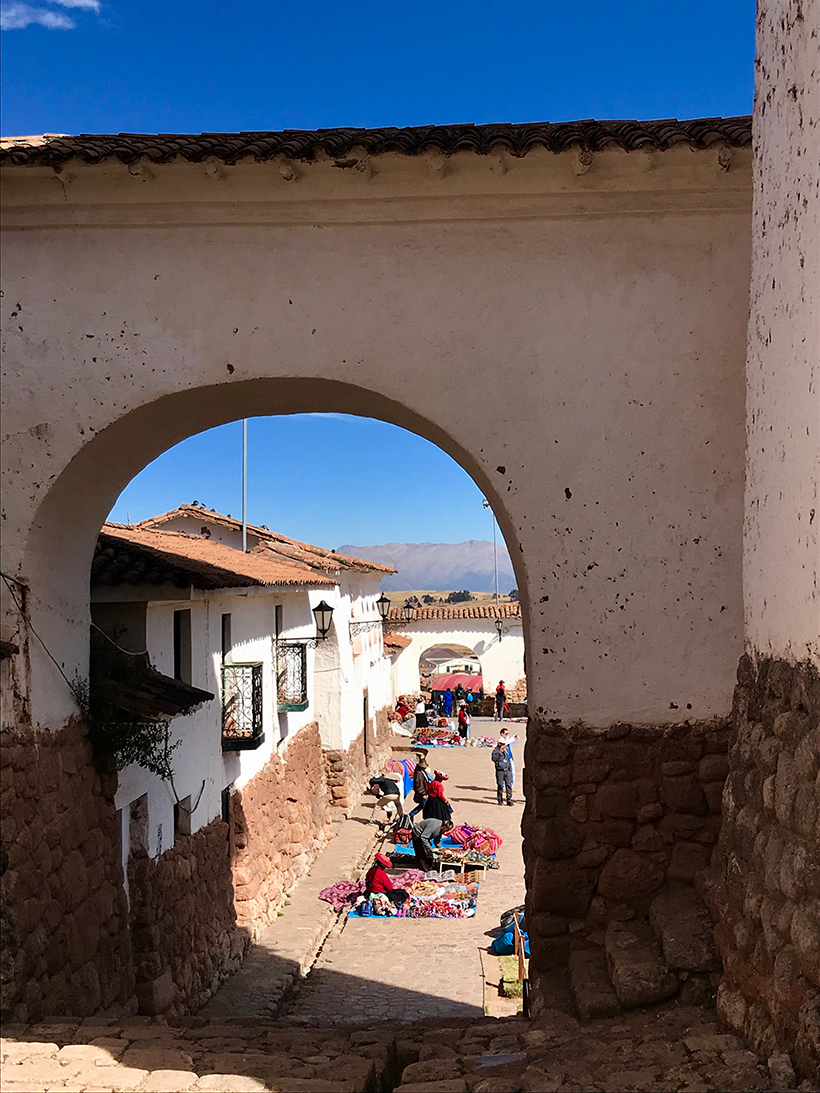
Chinchero is a small town in the Sacred Valley, sitting at even higher altitude than Cusco. It’s known for its ancient art of textile making, its artisan market, and the old colonial church.
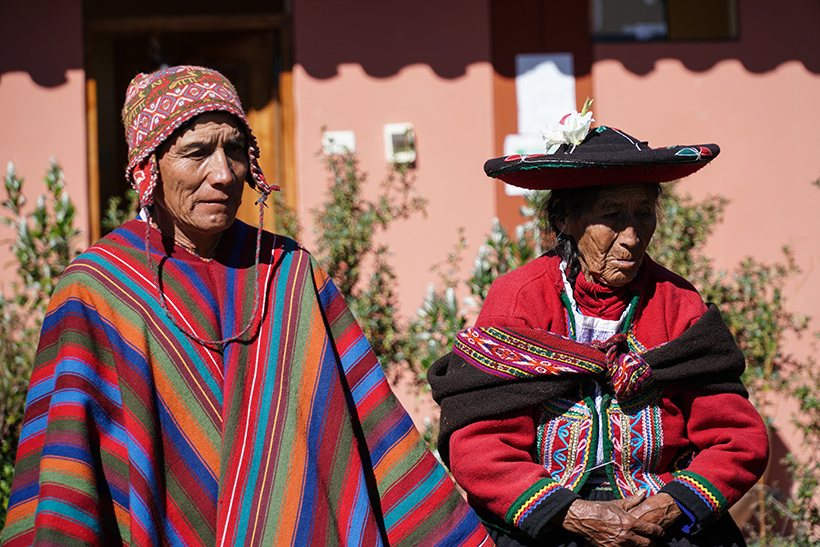
Our first stop was a local community in a tiny village by the name of Ocutuan, near Chinchero. It was a kind of cooperative where a few families get together and farm the adjacent land, raise animals, and share the fruits of their labor. As soon as our minivan approached the community, the local villagers greeted us with traditional singing and dancing, and led us to the main casa.
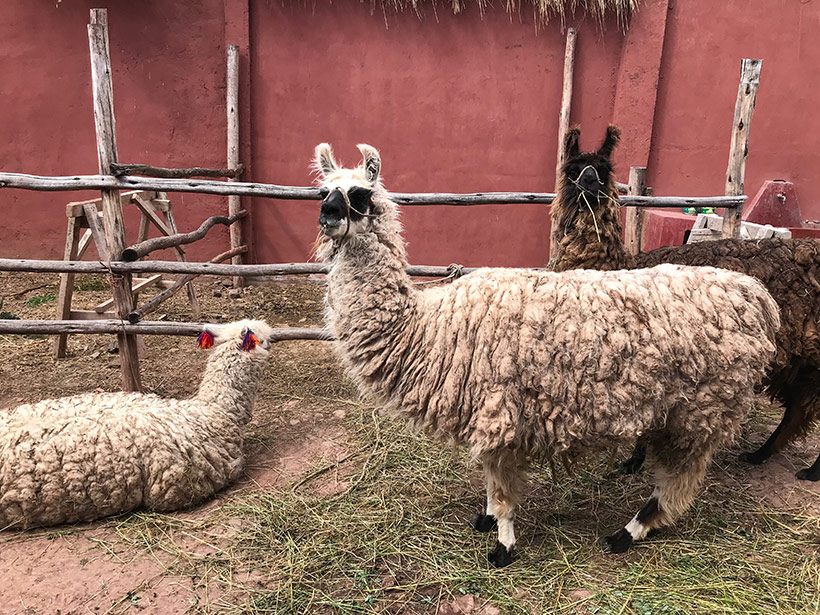
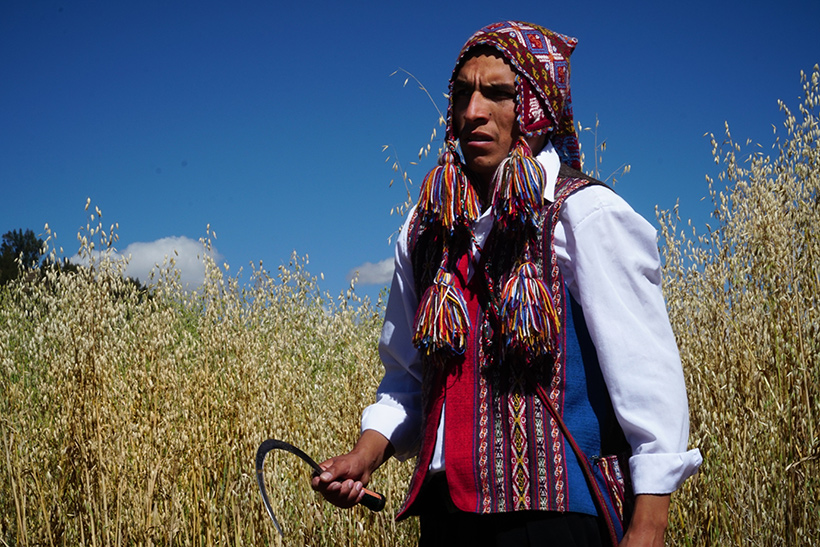
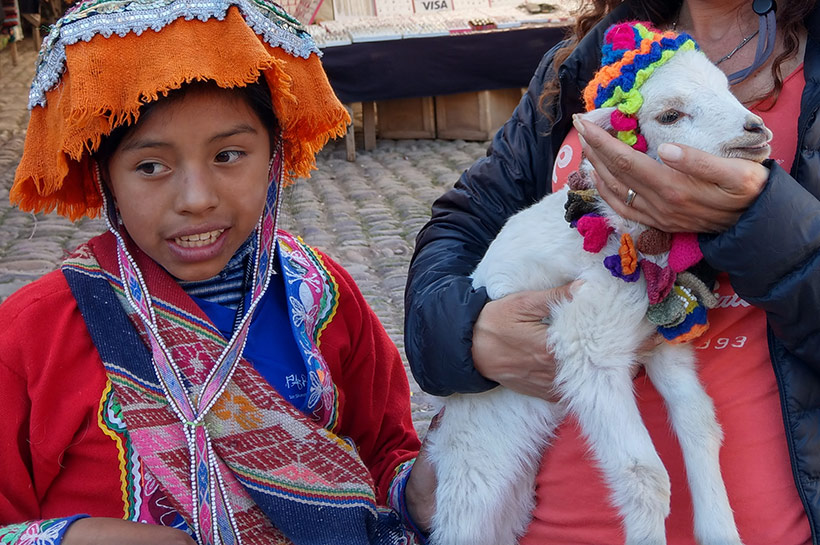
We were treated to a cup of aromatic mint tea, and allowed to explore the premises, and feed the llamas and alpacas (and of course take gazillions of selfies with them). Then some of the ladies quickly dressed us in their traditional clothing – fitting skirts and hats for the women, and ponchos for the men. We could almost blend in, if it wasn’t for our height (we looked embarrassingly taller than the villagers).
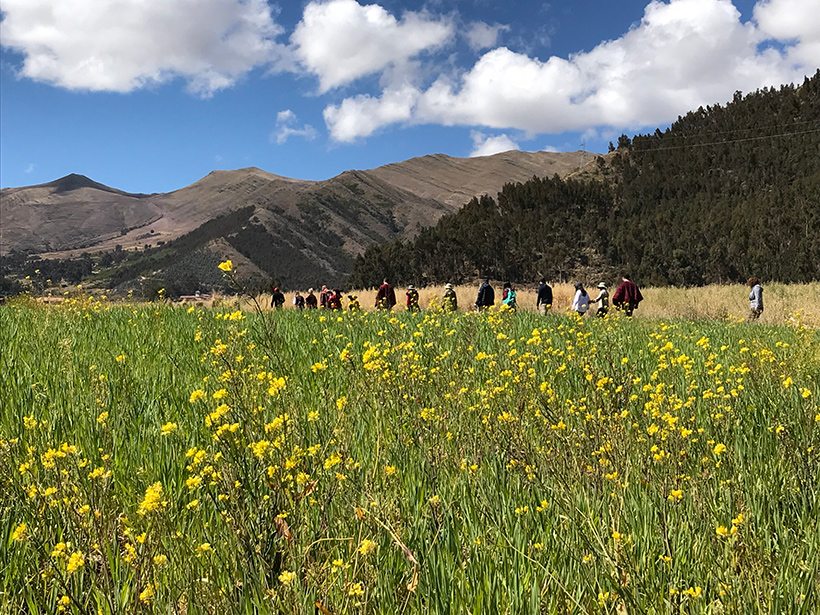
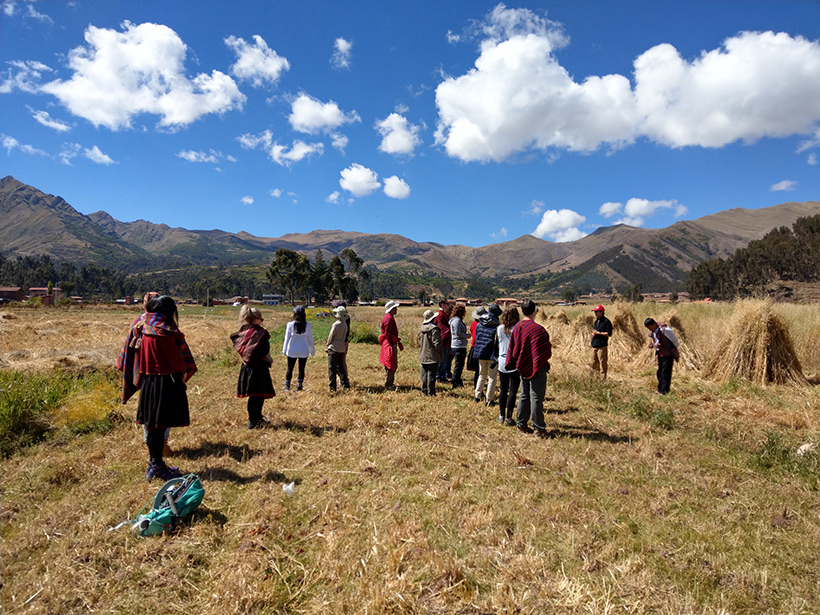
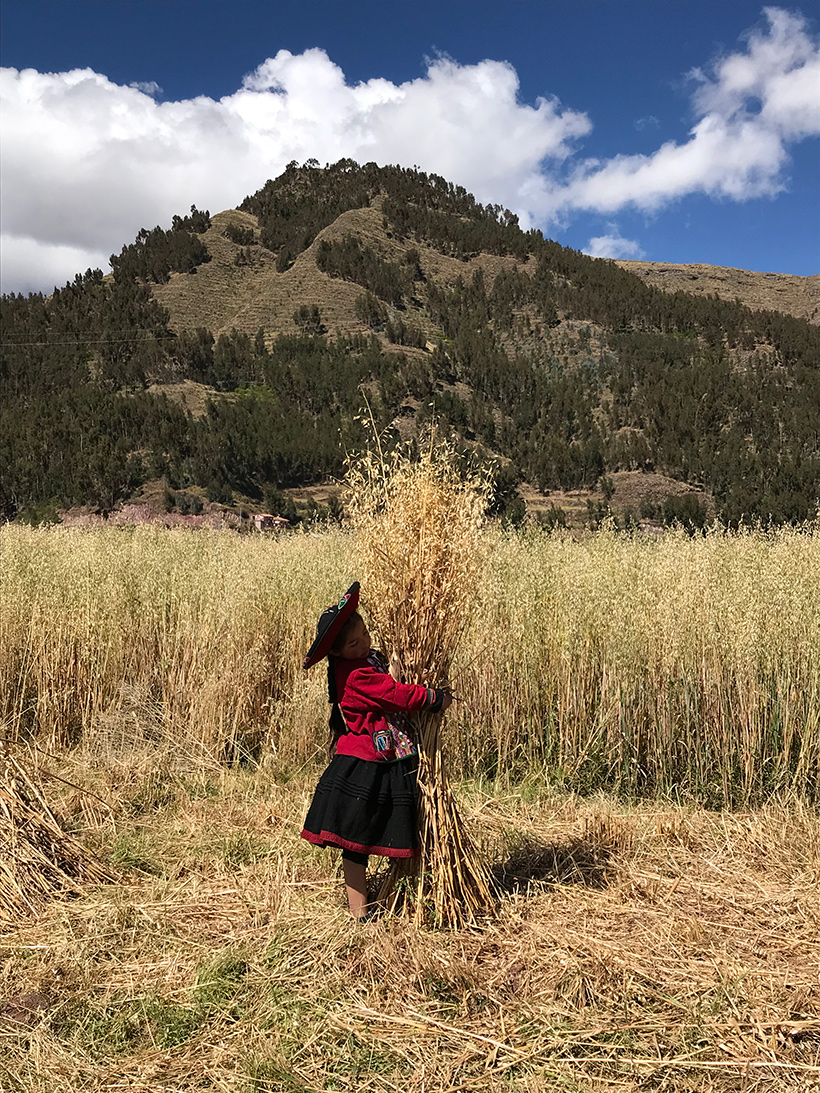
After short introductions, we were taken to the fields nearby, to see how the locals tend their land, and grow their crops. Each year they plant a different crop on the same field to avoid soil depletion. The produce is then traded in a barter style exchange with other villagers who produce other crops.
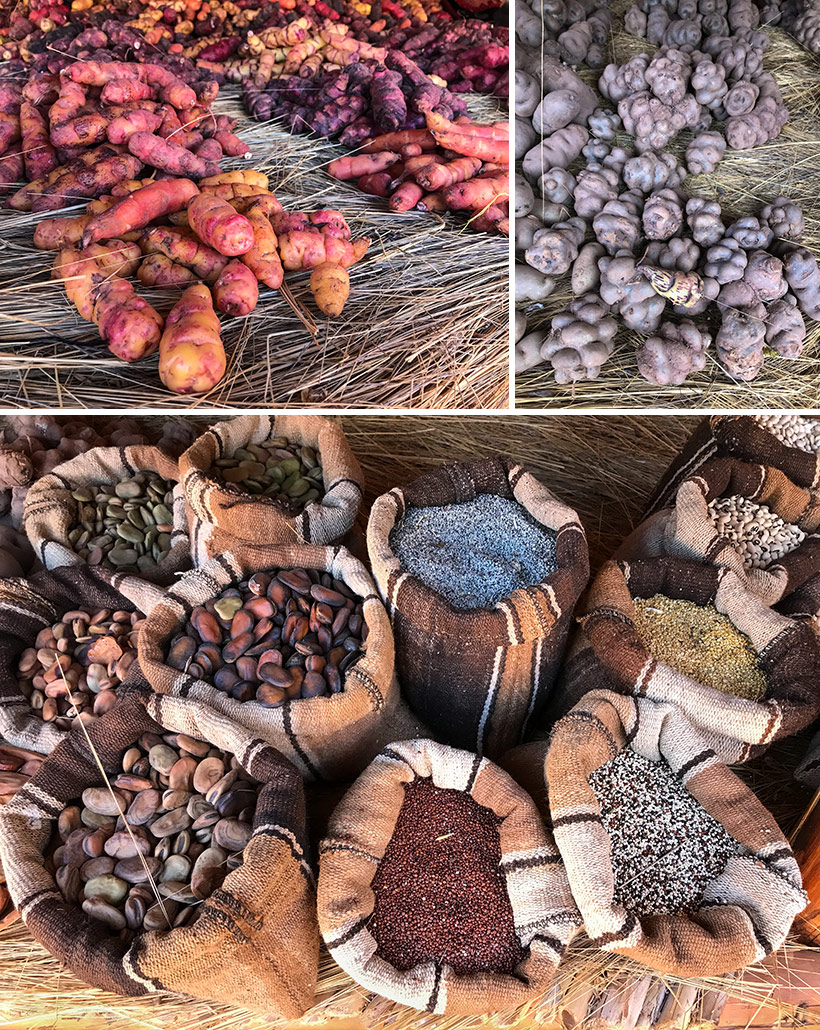
Potatoes, and corn are still the main staples in Peru as they have been for thousands of years. In fact the history of the potato begins here, in Peru, about 8,000 years ago when the first potatoes were domesticated near lake Titikaka. Potatoes are hardy, and nutritionally dense, which makes them the ideal crop for the Andean region. There are close to 4,000 potato species today, varying in color, taste, size and texture, and most of them are grown only in Peru.
The indigenous people had found a way to ‘freeze-dry’ the potatoes and thus, prolong their life long after harvest. We were told the potatoes are spread on the ground and left out in the open to freeze at night, then dry out in the sun for several days. The next step involves stomping the half-dried potatoes by foot, to remove the skins, and the remaining moisture, and then freeze-dry them again. The end product is wrinkled and hard as a stone, and can last for decades. Women use the dry spuds in various food preparations by re-hydrating them.
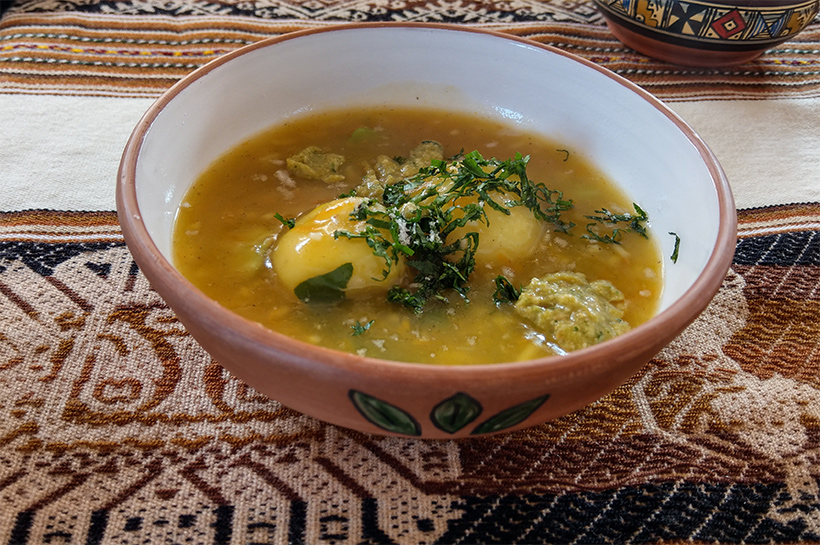
While we were outside with the men, the women prepared lunch for all 15 of us, in a primitive open ‘kitchen’. We had a creamy potato soup made of dry and fresh potatoes, potato pancakes, and quinoa and potato stew. We even had dessert – a hot compote of sour plums, spiced with cloves.
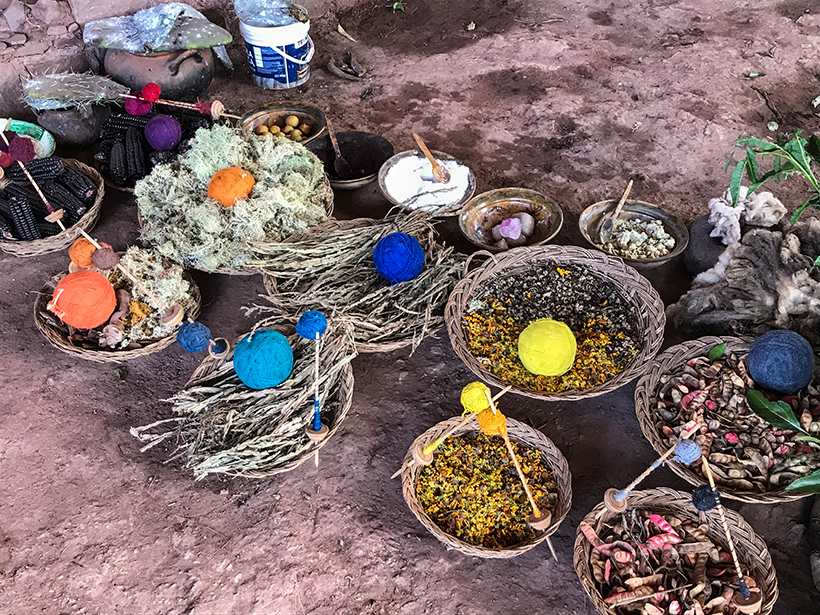
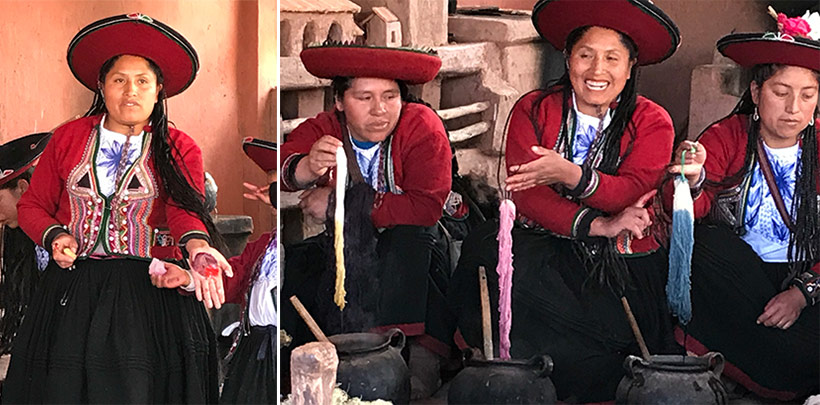
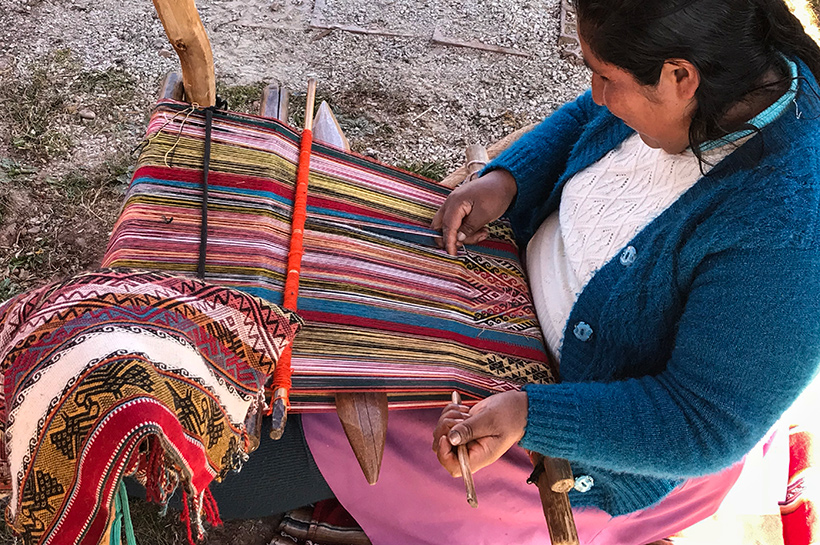
After lunch, we were given a ‘behind-the-scenes’ look at the mesmerizing process of textile weaving. Weaving is a way of life for the women, a source of income, and an integral part of their cultural identity. Each region has its own unique patterns, and themes woven into the fabric, passed from generation to generation. The process, as elaborate and labor-intensive as it is, hasn’t changed much since hundreds of years ago. From a very young age, the girls are taught how to spin, dye and weave the wool intro intricate multi-colored textiles.
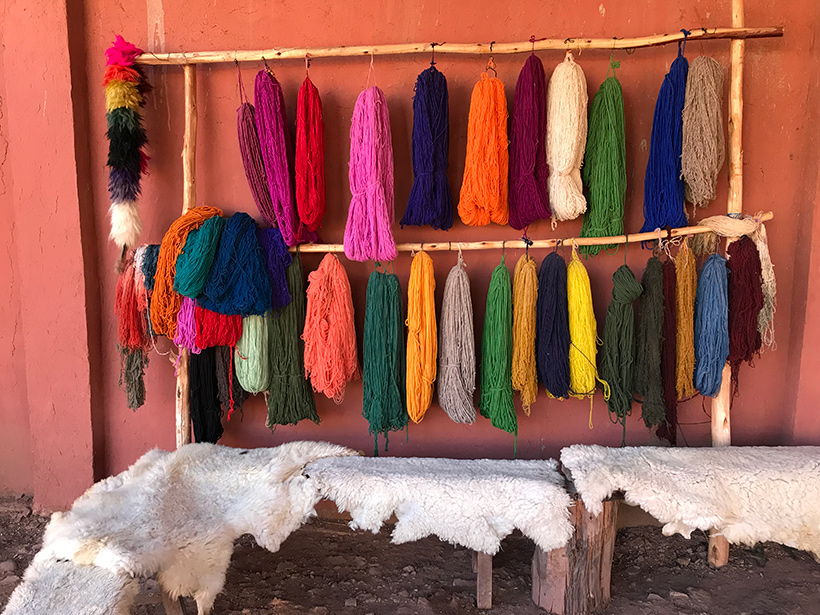
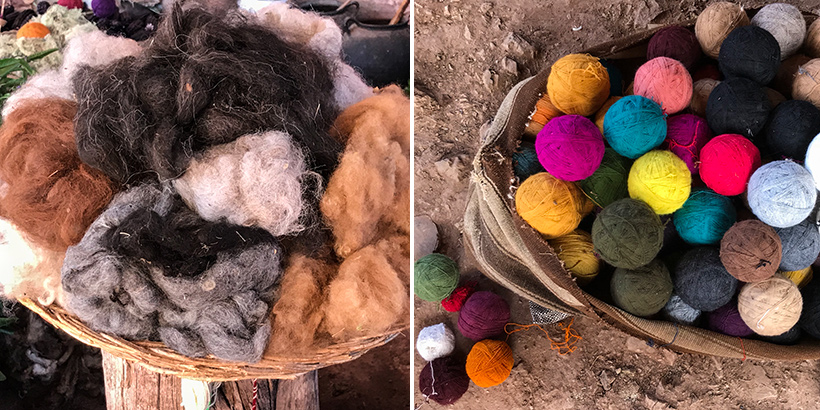
It starts with the animals, and in Peru, alpacas are the main source of wool. Their fur is sheared then washed with the help of a plant root, that acts like a natural detergent, and when grated produces sudsy water. The washed and dried wool is then spun, and dyed using a multitude of herbs, seeds, tree bark, flowers and plants, even bugs! The gorgeous bright red color comes from the cochineal insect, that feeds off of cacti. They live in colonies and look like white fluff or fungus, covering the plant, but when you squish them, you get a crimson stain on your hand! Cochineal has been farmed, and harvested for centuries, and used not only in textile dyeing but in food coloring as well. Today Peru is the largest exporter of this natural dye colorant.
Once the yarn is dyed, and dried, it’s ready to be used in weaving. The women do it so fast and so effortlessly but it usually takes 3 to 4 months for a small blanket to be produced.
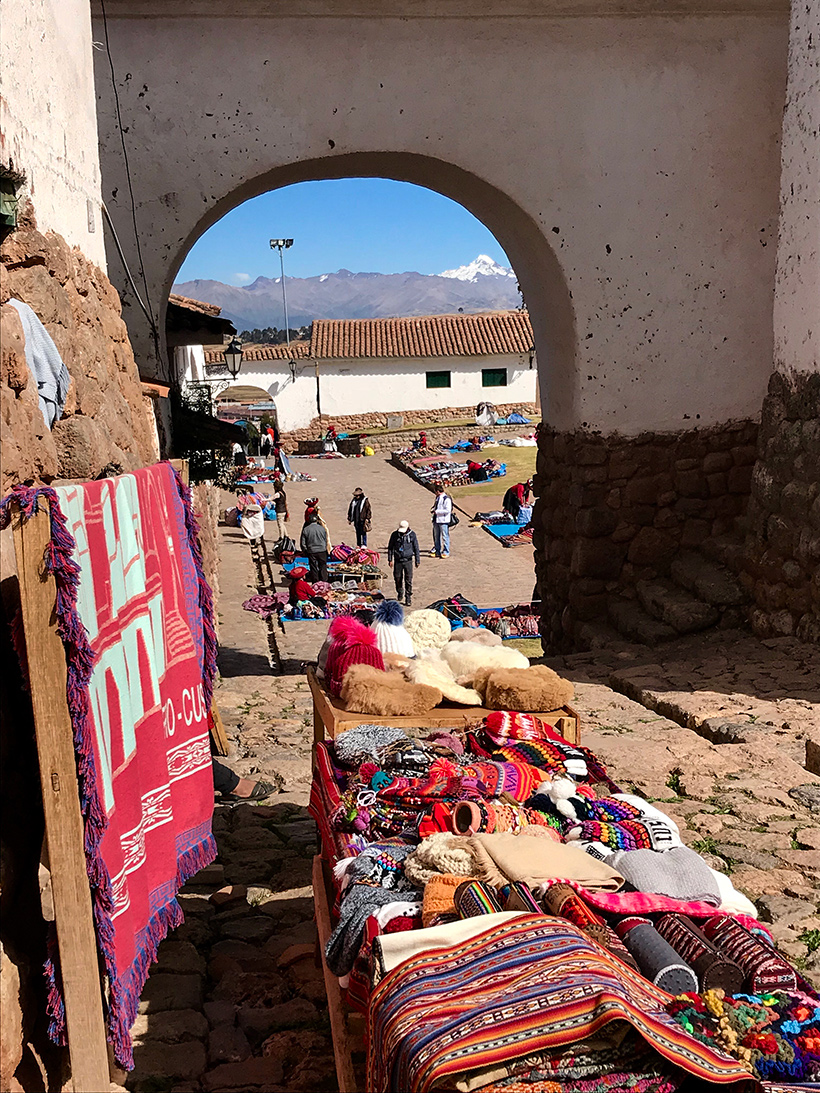
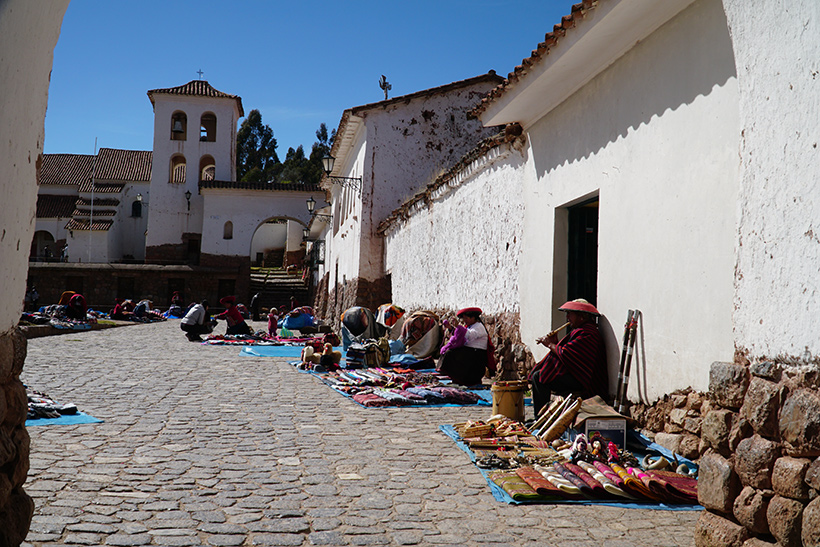
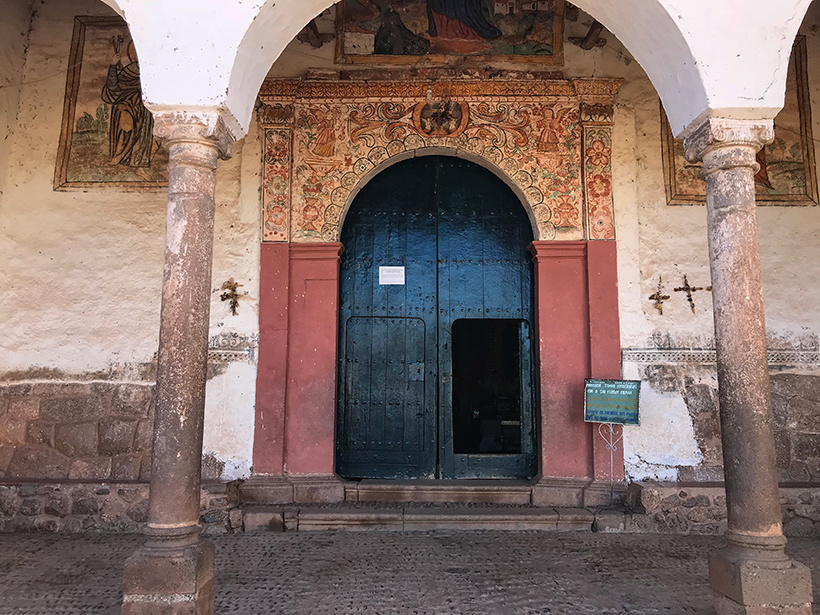
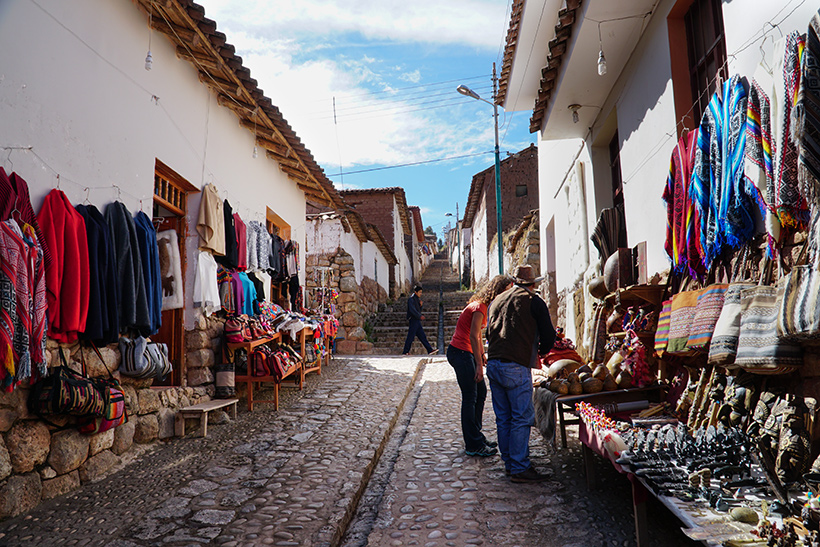
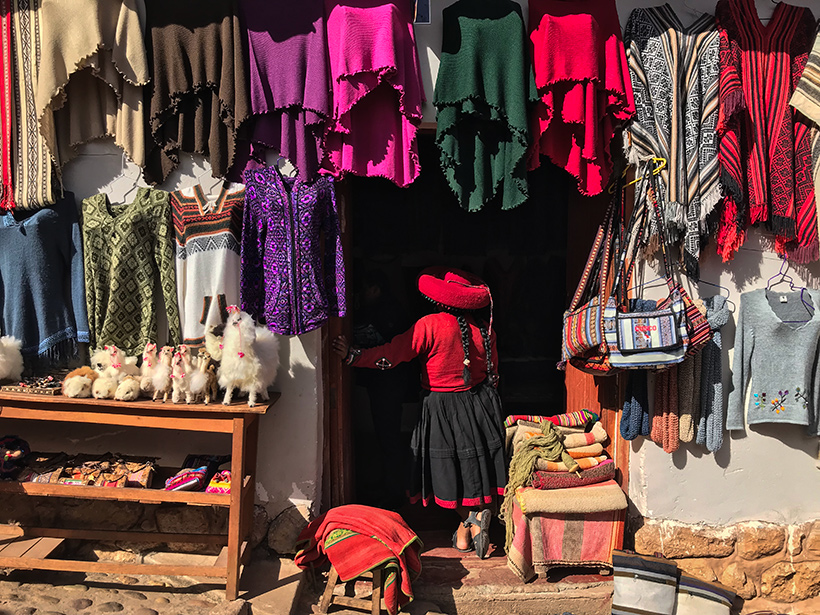
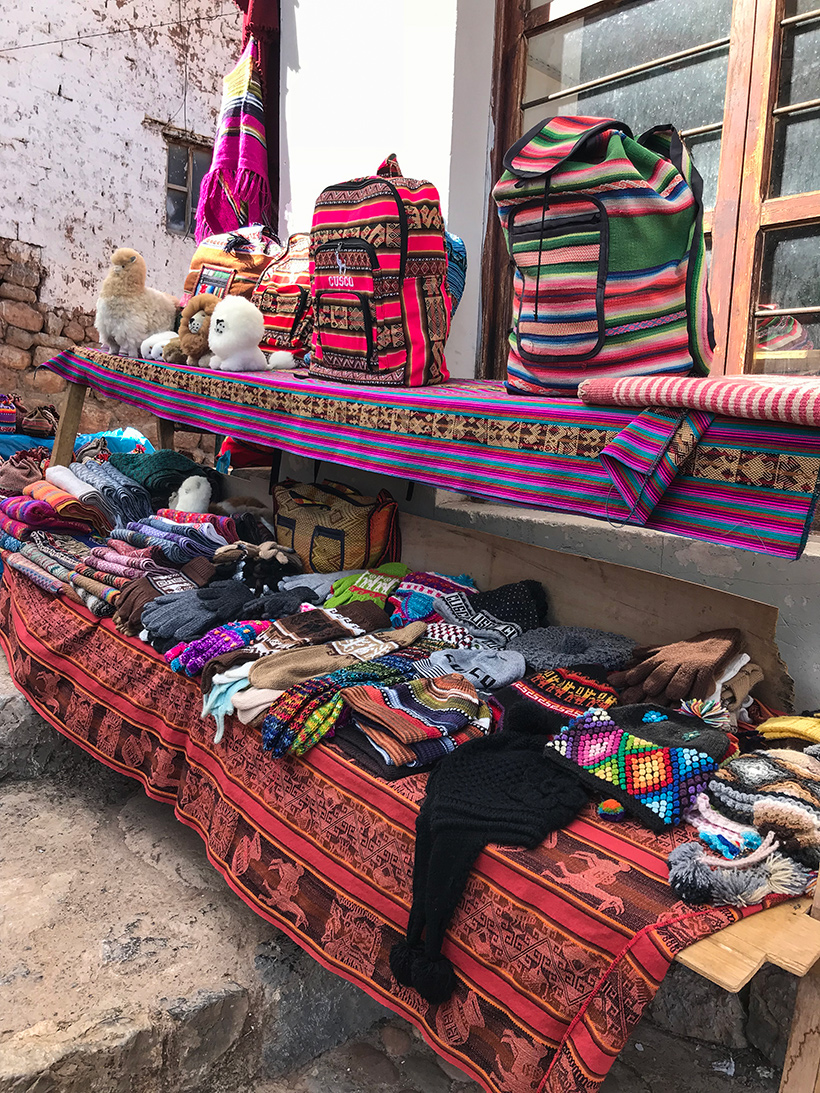
We came back to Chinchero a second time, a few days later, and this time we went downtown and visited the colonial church, and the adjacent market. The market is one of the best places to buy textiles, and the prices are the cheapest we’ve found.
Chinchero market and church
Market vendors outside the church yard
Maras & Moray
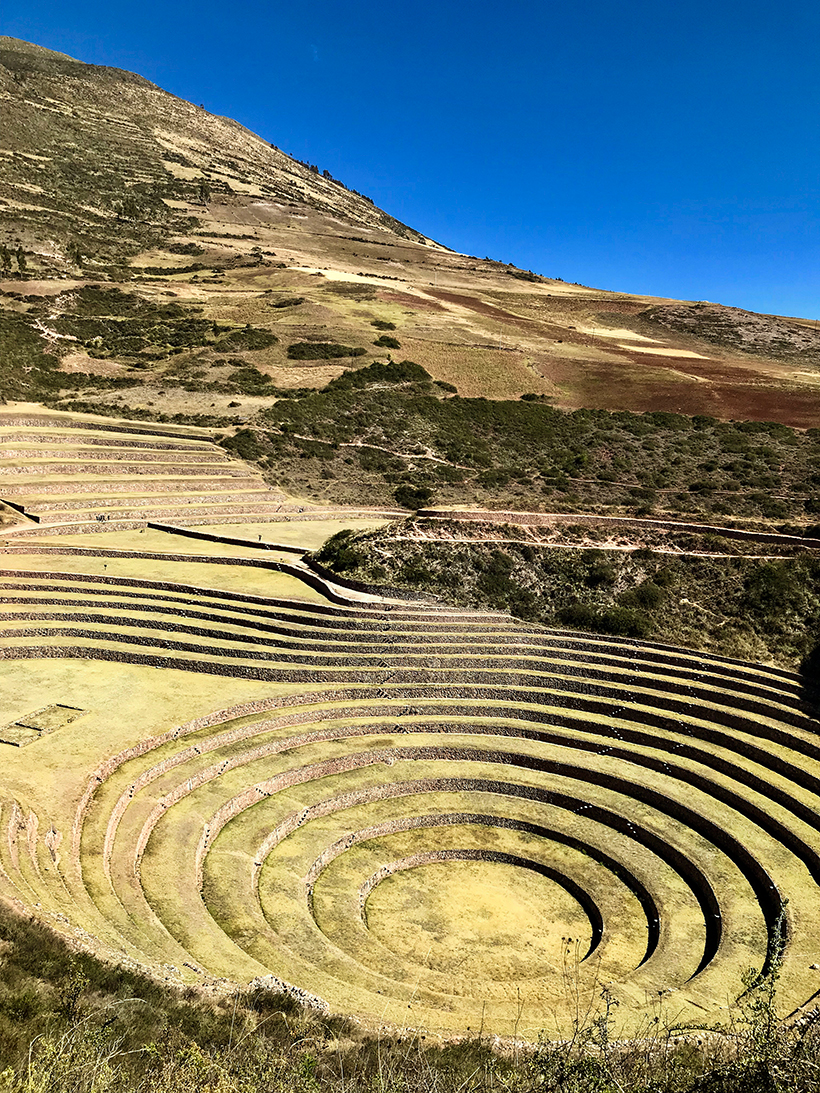
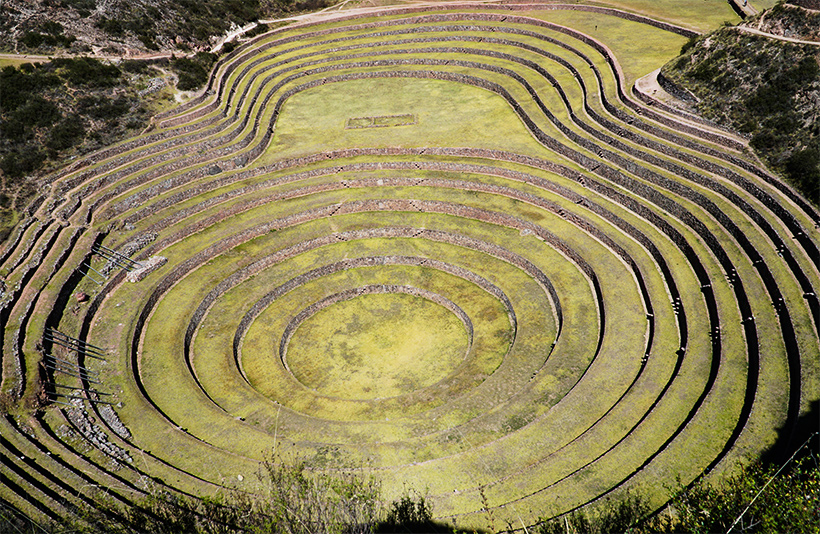
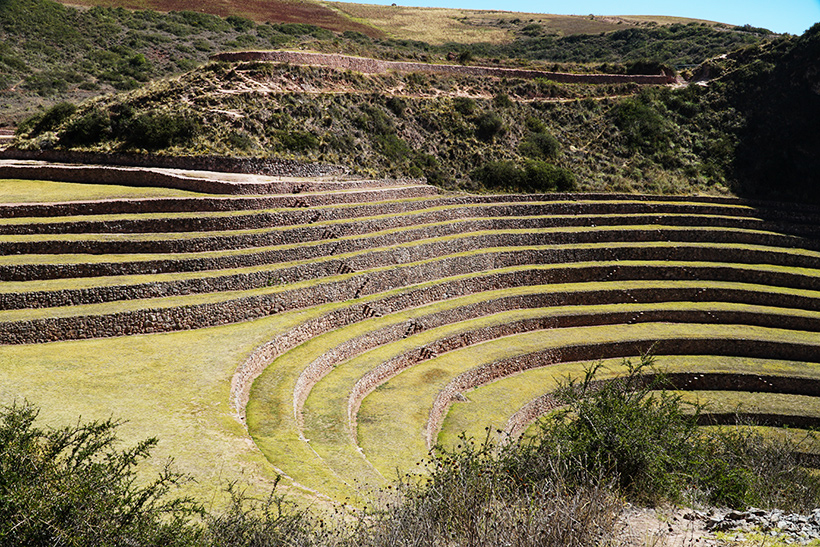
The mysterious concentric terraces of Moray are some of the more unusual Inca archaeological sights. For years their purpose was not known, but today it is believed, that they served as the Inca’s agricultural laboratory. They are built in a natural depression in the earth, about 500 feet deep, where the difference in the temperature between the top and bottom terraces is 15 °C. This creates multiple microclimate zones, which the Incas used to their advantage, by planting various crops, at different levels, and thus managed to cultivate plant species that normally don’t thrive at this altitude. The sight is well preserved, and it’s a nice 40 min walk.
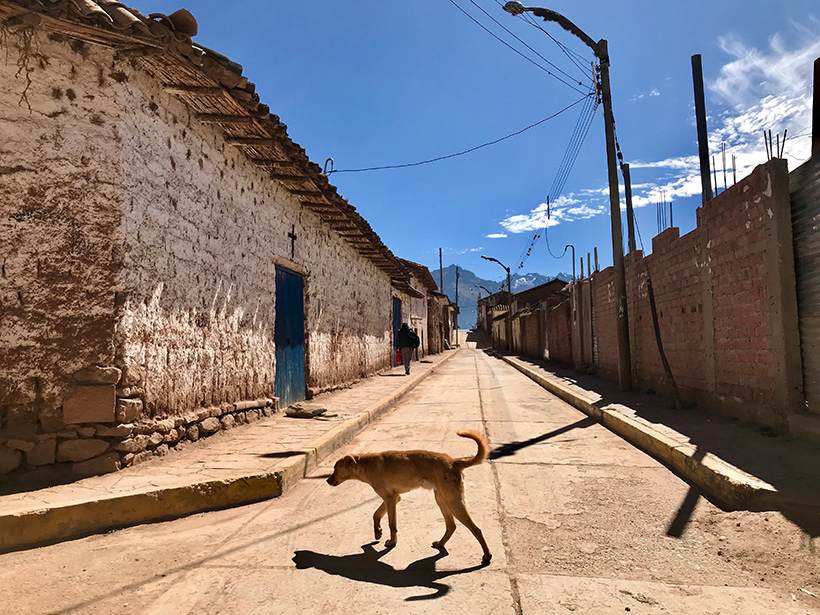
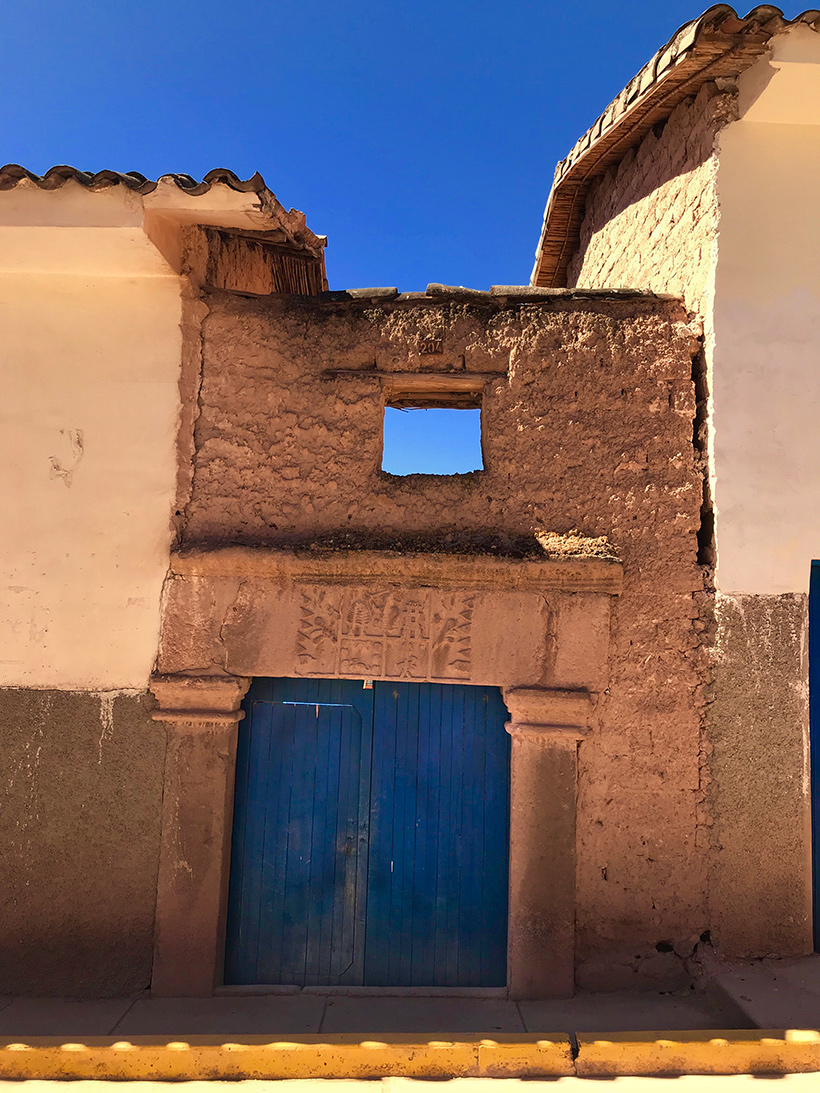
On the way to Moray, you will pass through the village of Maras, and it’s worth just a quick stop to marvel at the adobo houses, and narrows streets.
The Salt Mines of Maras
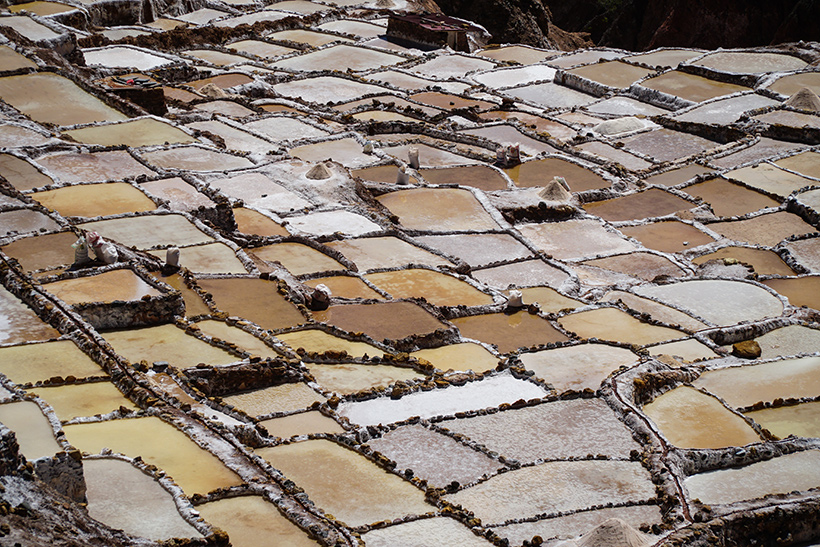
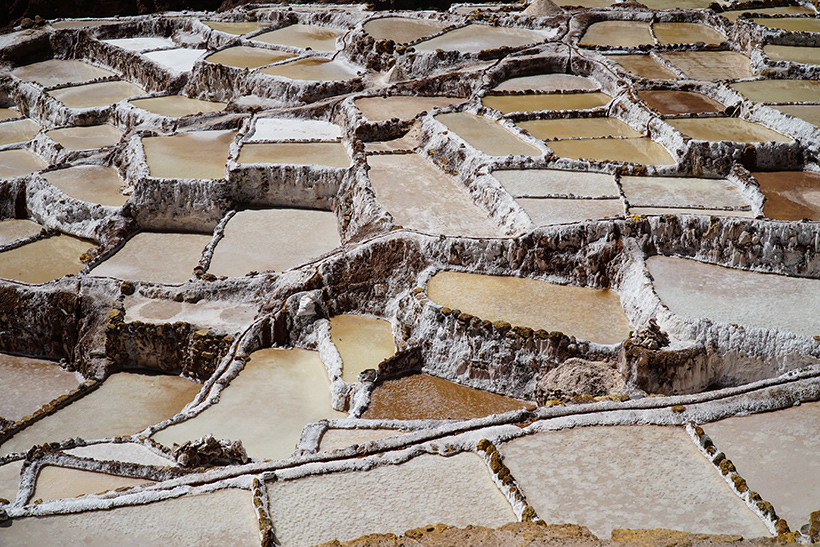
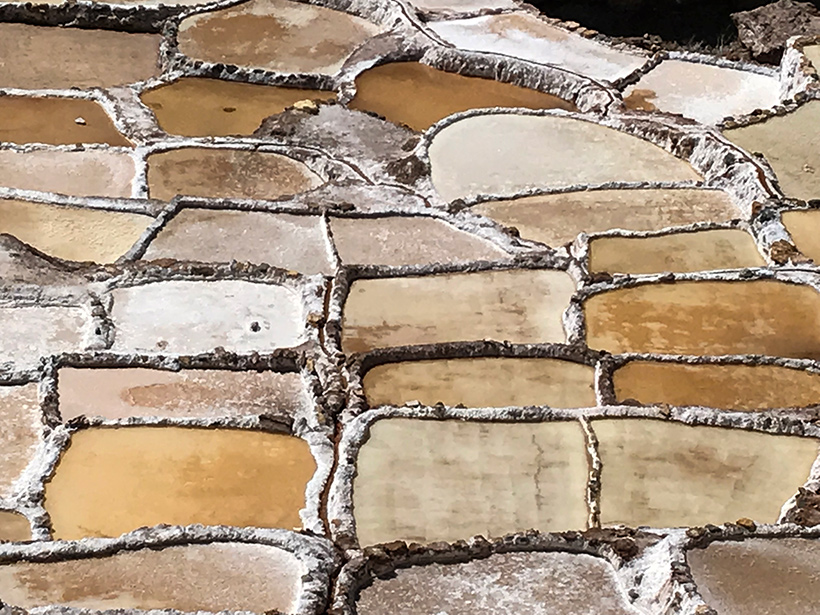
A short drive east of Maras, are the salt pans, or salineras – a sight you don’t want to miss. Approximately 3000 shallow pools are carved out in the slope of the mountain, and a subterranean natural salt spring feeds the pools through a network of channels. When the pools are filled, the water supply is cut off, and the salt is left to crystallize. The salt has a slight pinkish hue, due to its high mineral content, and has been harvested by the local people for centuries. It’s a mesmerizing patchwork of terraced pools that stretches as far as they eye can see downhill, and you are free to explore it as much as you want, and buy some of the salt products.
Lamay
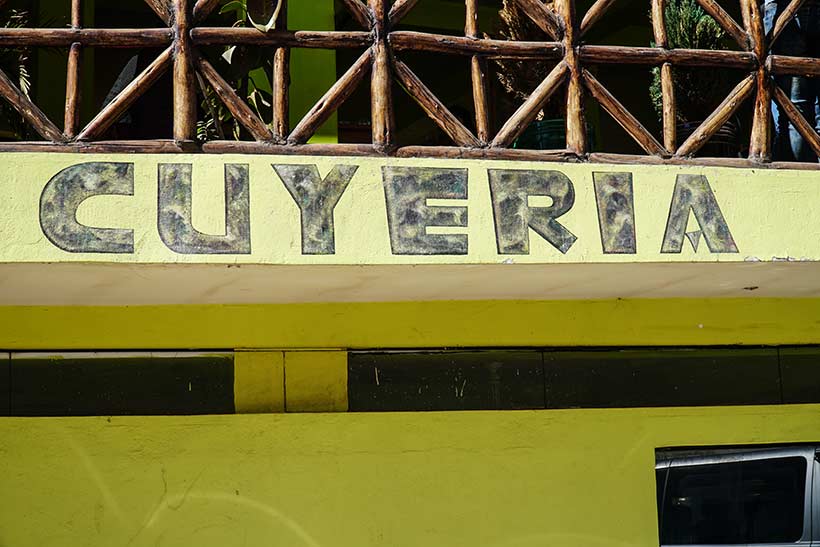
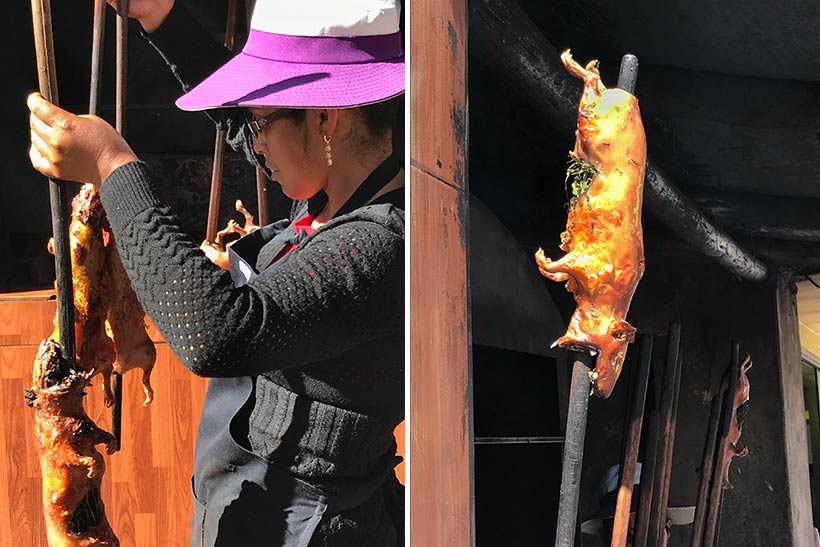
If you are in the Peruvian Andes, you have to try the delicacy of the region – roasted guinea pig, or cuy. You will see it on almost any restaurant’s menu, but we were told, the most authentic way to eat it is roasted on a stick, and the best place to have it is in Lamay – a small village in Valle Sagrado. The local ladies have turned this into a profitable business. On both sides of the main road, you will see them waving sticks of roasted guinea pigs at you, vying for your attention. We stopped at a restaurant, or cuyeria that specializes in just that, with a giant guinea pig statue in front, and an open oven in fron.
I have to say the meat itself was flavored superbly with aromatic spices and herbs. It was a cross between a chicken and a rabbit, but a bit bony, and fatty. Let’s just put it this way – I would much rather snack on cebiche, than cuy.
Pisac
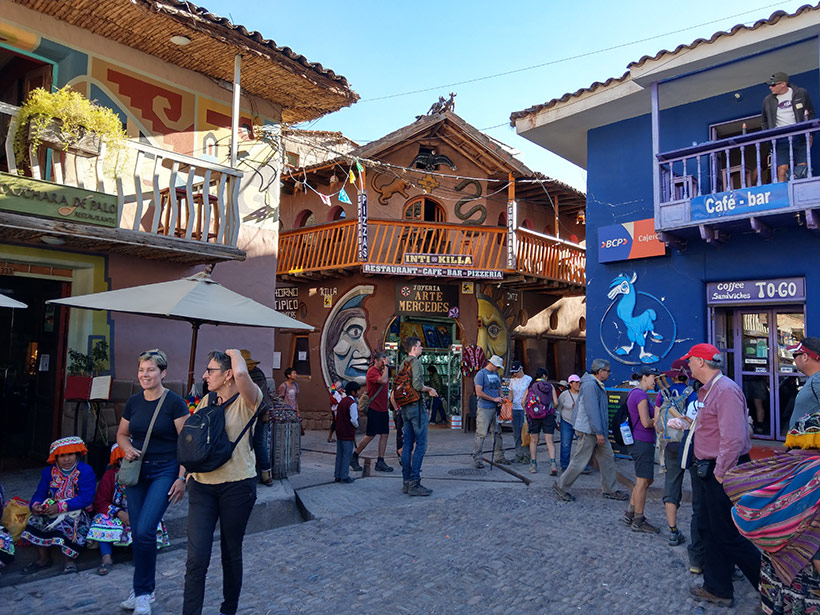
The hippy town of Pisac, situated about 30 km north-east of Cusco is famous for two things – the well preserved Inca settlement, and its colorful artisan market. Due to its location, it’s either a great a day trip from Cusco, or it can be the last stop of your Sacred Valley tour, on your way back to Cusco. If you happen to be there on a Sunday, you’re in luck, because this is when the biggest market in the area takes place. Vendors from all over the valley come to Pisac and set up shop on the main plaza, to sell their local produce, or handmade crafts. If you come any other day, you will still find a vibrant marketplace (sans the fresh produce), with an abundance of colorful textiles, silver jewelry, crafts, and souvenirs. The variety is unmatched, and some of these beautiful items were a steal, compared to Cusco.
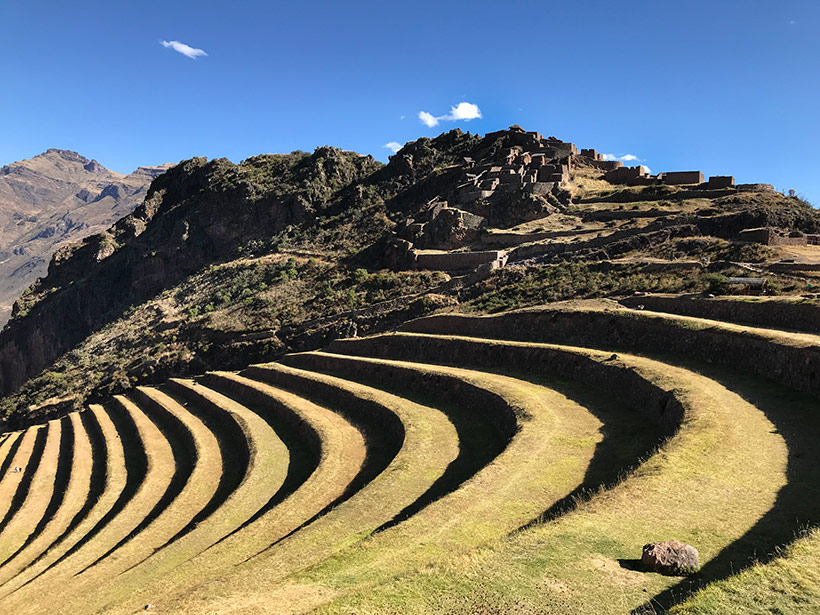
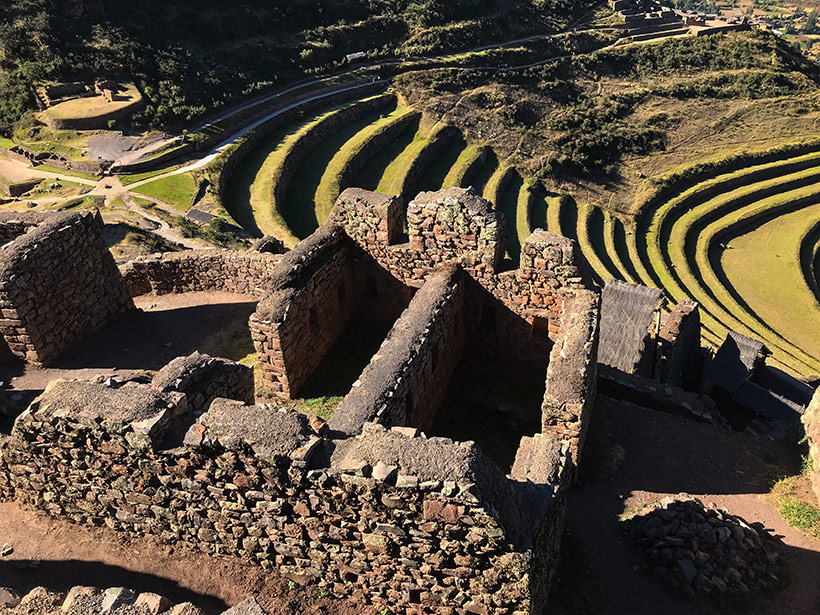
Perched high above the town, on the mountain side, lies one of the best examples of Inca settlements in the area. The Pisac ruins are spread over a large area, and were once part of an Inca settlement, comprising of residential buildings, ceremonial baths, cemetery, and huge agricultural terraces. You can easily spend a few hours hiking around and enjoying the views. They are far less touristy than all other ruins we’ve visited.
Ollantaytambo
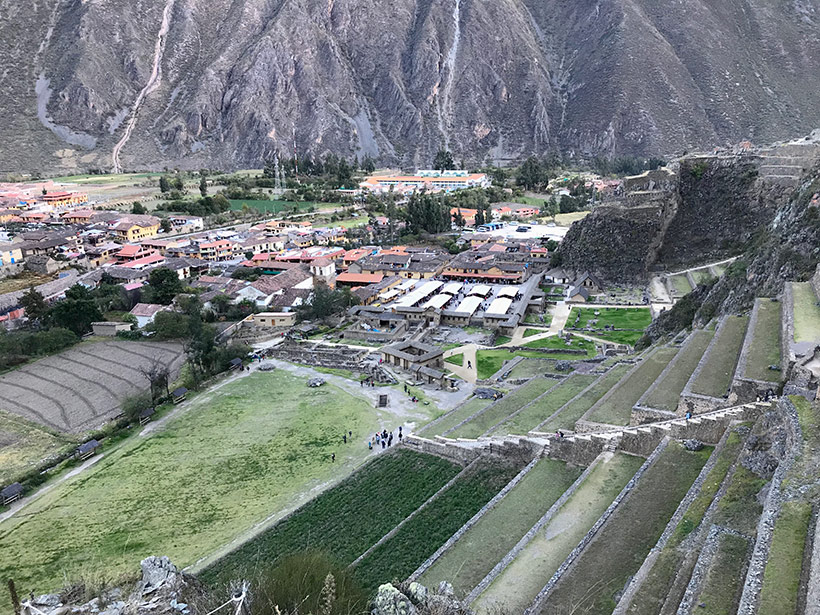
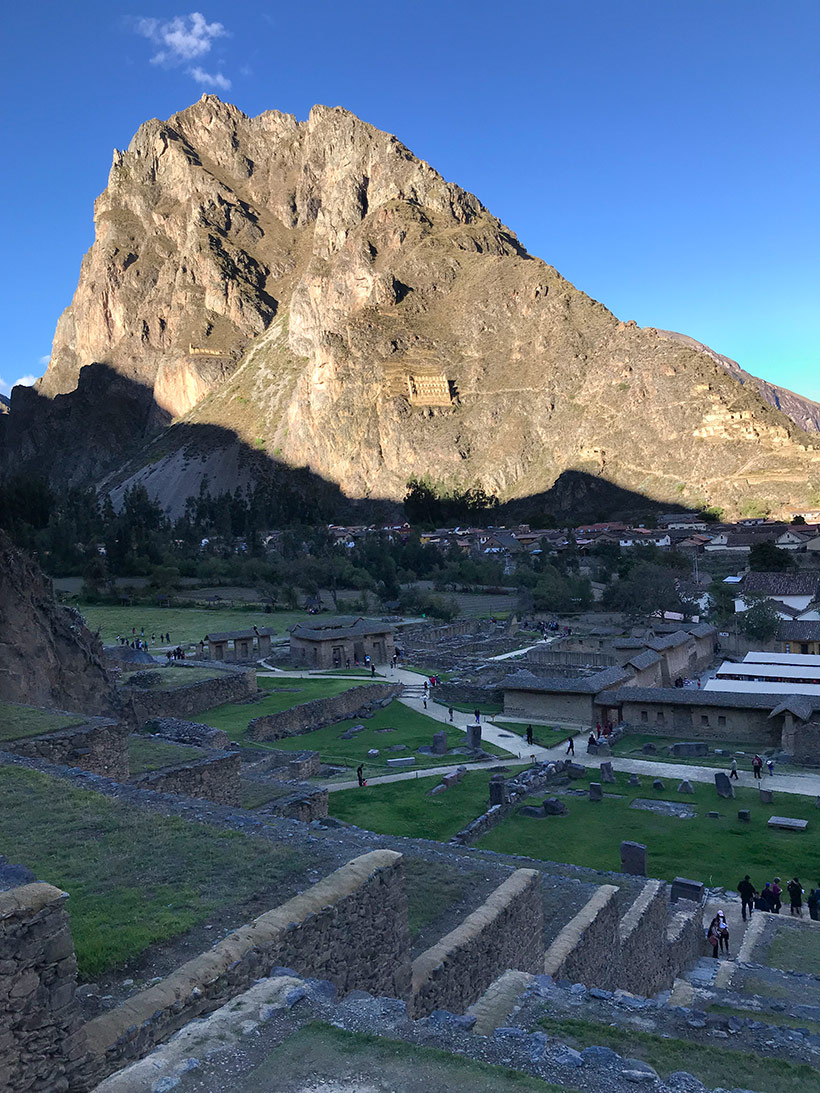
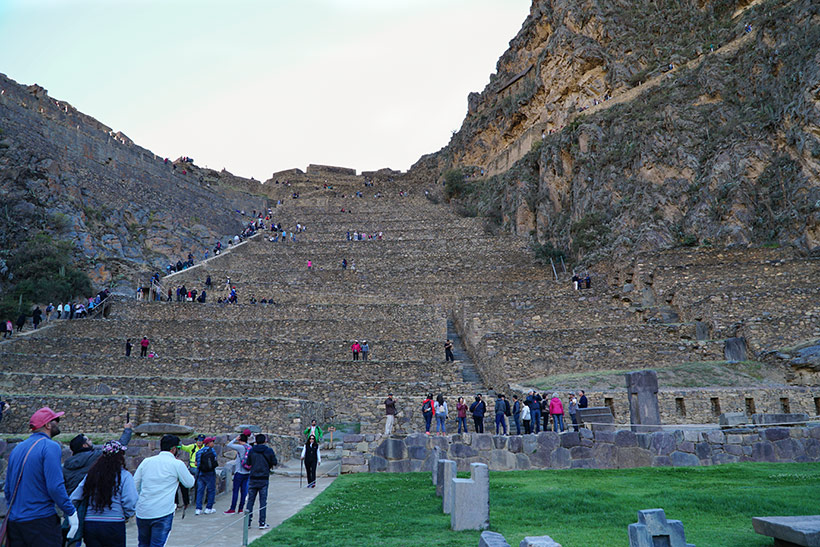
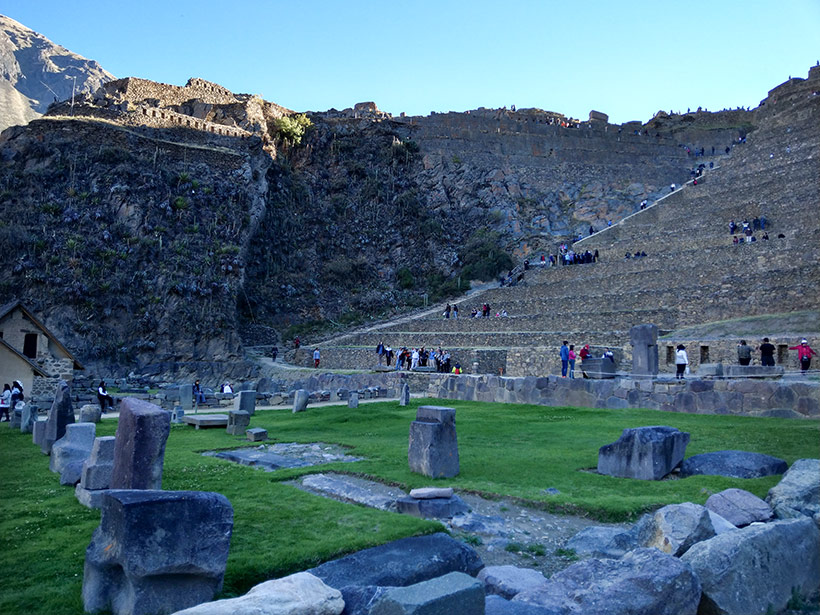
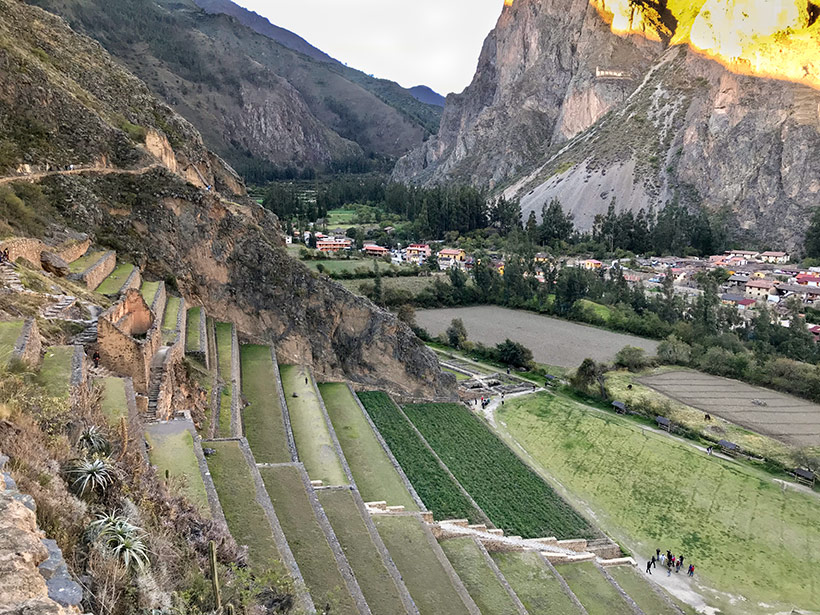
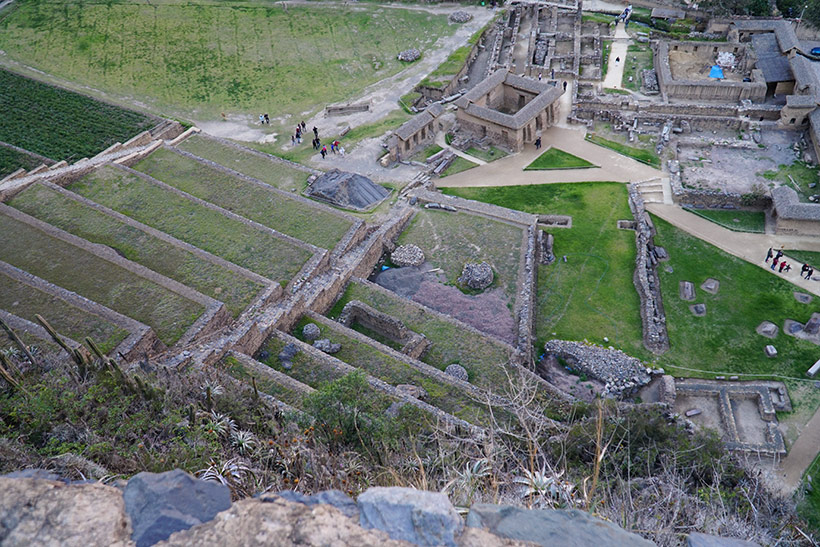
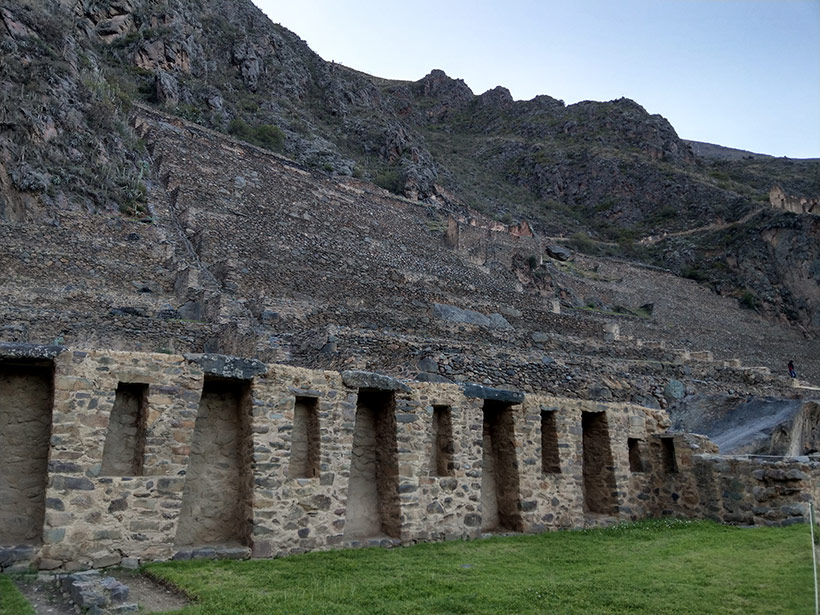
Located at the far north end of the valley, Ollantytambo is the perfect overnight stop before embarking on the famous Inca trail, or catching the train to Machu Picchu. But it’s so much more than that – it’s a charming old village where you can see examples of some of the oldest buildings dating back to the 15th century, that have been inhabited ever since, well-preserved cobbled streets, and original irrigation channels built by the Incas, still in use today. It’s also home to one of the best preserved archaeological Inca sights in Peru. The terraced ruins, are visible from afar, situated on a high mountain peak looming over the town. They were built in the 15th century by the last Inca rulers, and served as a religious temple, retreat, as well as military fortress during the battle of Ollantaytambo, one of the few battles that the Incas won against the conquistadors.
The ruins are well worth visiting, but keep in mind that the site closes rather early, at 5pm. The complex is huge, and steep, so you can easily spend 2 hours climbing the multitude of stairs, and marveling at the steep agricultural terraces, and the bird’s eye view of the village below.
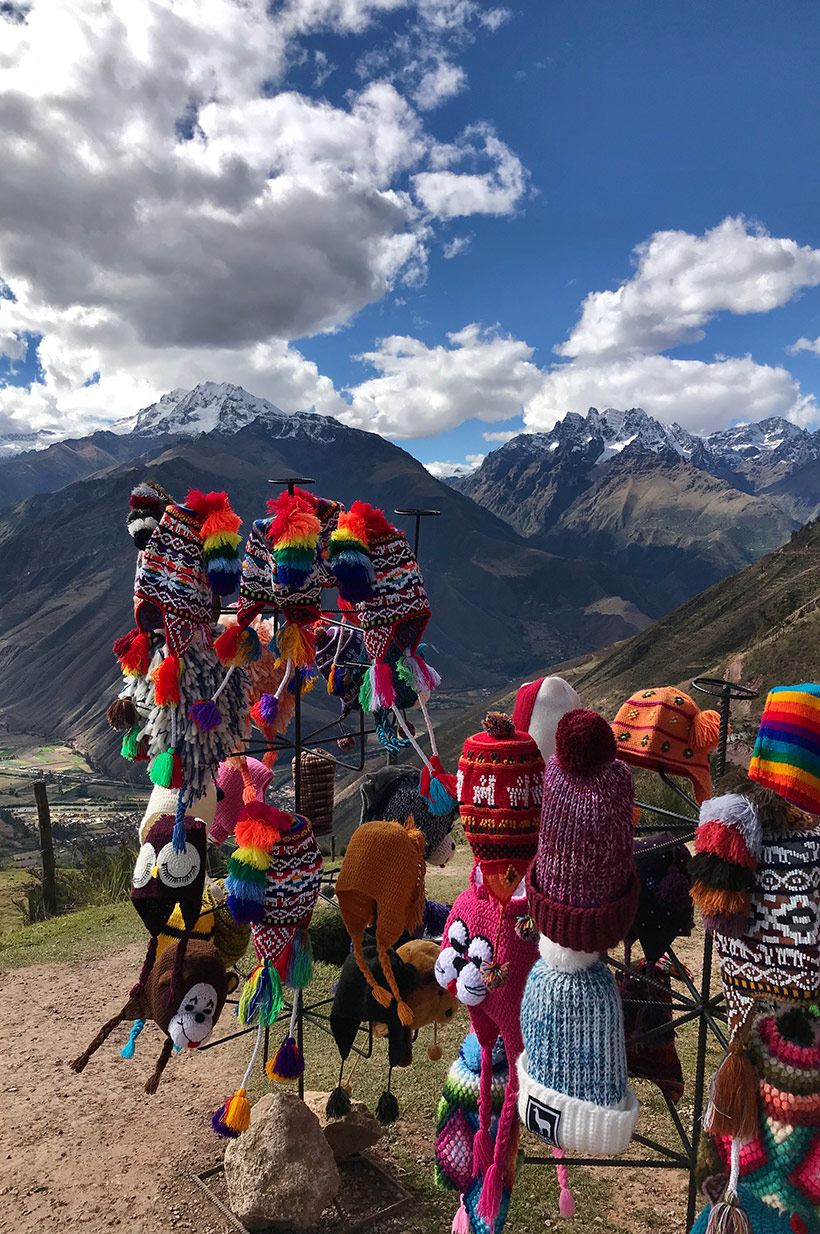
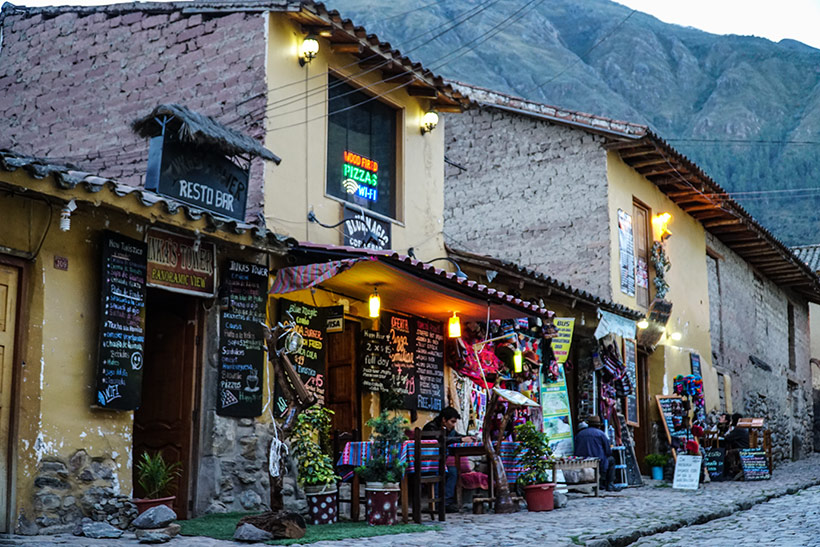
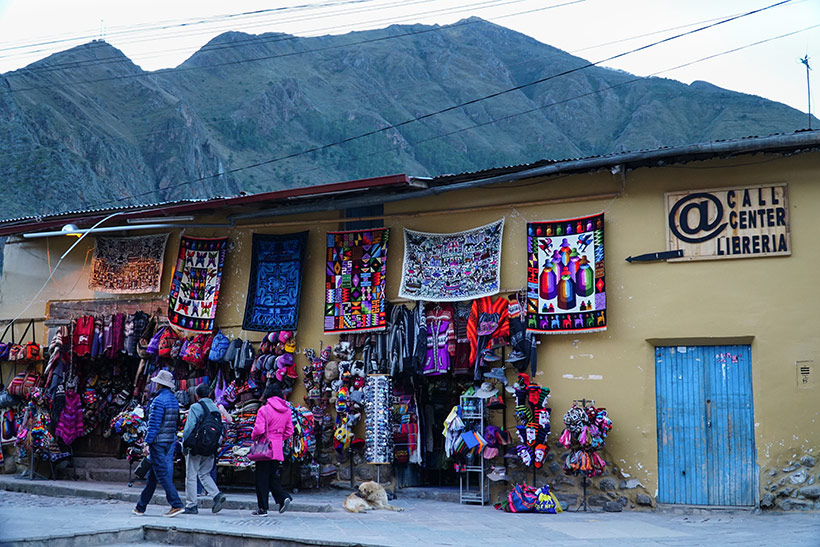
There is a nice market outside the ruins, and a short walk from there, is the town square with an array of colorful shops and restaurants. This is the last stop for many before beginning the 3-day hike to Machu Picchu, and therefore the stores are well equipped to cater to any last-minute needs, like hats, scarves, gloves, underpants, ponchos, blankets, etc. Even though we spent a lot of time prepping for the weather conditions in Peru, we were still underprepared for the cold, and ended up buying a few essentials.
TIP: If you plan on doing a tour of Valle Sagrado, it is worth buying a full Boleto Turistico, which covers the entrance to 16 archaeological sites and museums in the Sacred Valley, and Cusco, and it’s valid for 10 days. Major points of interest, like the church in Chinchero, the ruins in Pisac, and Ollantaytambo, Moray, as well as Sacsayhuamán are included. You can buy this for 130 soles (approximately $40), at any of the above-mentioned points of interest.
If you wish to explore the valley at your own pace and leisure, it’s best to hire a taxi driver for the day.
Want to learn more about our Peruvian travels, take a peek at my previous two posts – Exploring Cusco, and Lima in 2 days: 15 things to see and do.
And stay tuned for my next post about hiking the Andes and Machu Picchu!
[…] around for some more pictures and stories about the Sacred Valley of the Incas, Machu Picchu, hiking the Andes, and the Amazon jungle. You may also check out my top 15 things to […]






[…] around for some more pictures and stories about the Sacred Valley of the Incas, Machu Picchu, hiking the Andes, and the Amazon jungle. You may also check out my top 15 things to […]